UPI Fraud: Common Scams and How to Prevent Them
Learn about UPI fraud prevention in India, common scams, and practical tips to protect yourself from financial fraud.

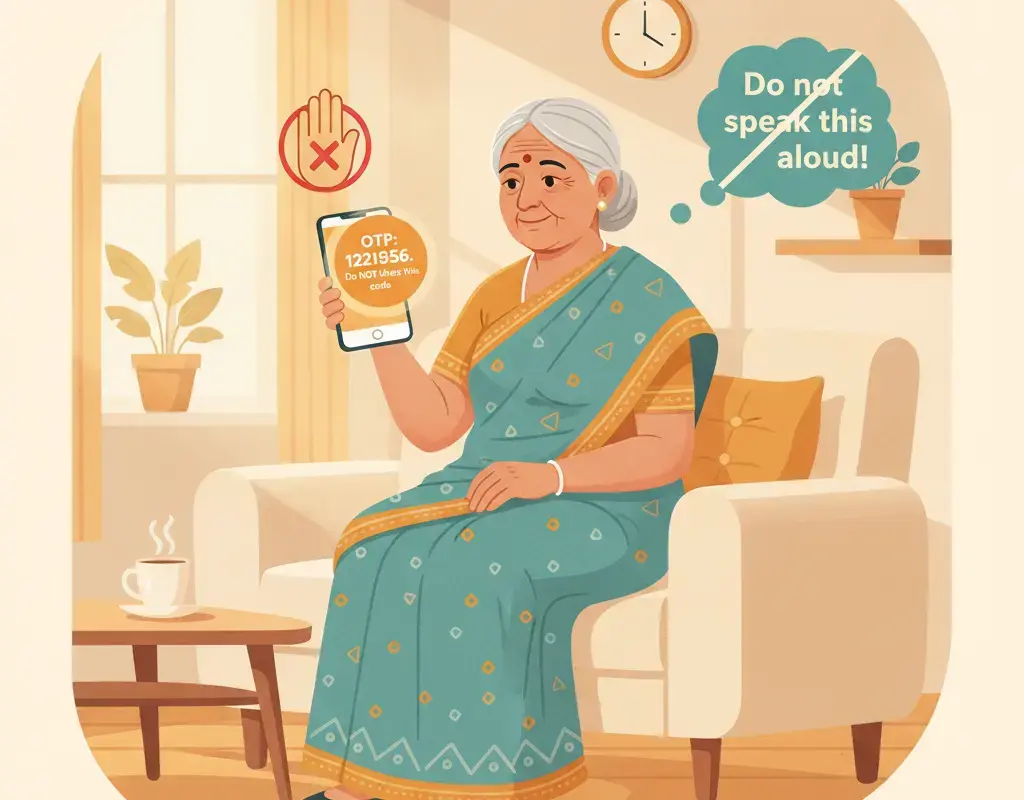
Quick answer: UPI fraud can be prevented by avoiding suspicious links, not sharing PINs or OTPs, verifying recipients, using strong passwords, and reporting any suspicious activity immediately to your bank and authorities.
UPI fraud has become a growing concern in India, affecting many individuals who use digital payment platforms. Understanding UPI fraud prevention is crucial to safeguarding your hard-earned money and personal information. With the rise of digital transactions, it is essential to stay informed about the various scams and how to protect yourself from falling victim to them.
In this guide, we will explore common UPI scams that are prevalent in India and provide practical tips for UPI fraud prevention. By following these guidelines, you can ensure a safer digital payment experience and protect yourself from potential financial losses.
Key takeaways
- Never share your UPI PIN or OTP with anyone.
- Verify the recipient’s details before making any transaction.
- Avoid clicking on suspicious links or downloading unknown apps.
- Use strong, unique passwords for your UPI accounts.
- Report any suspicious activity immediately to your bank and cybercrime authorities.
What is UPI fraud and how does it work?
UPI (Unified Payments Interface) fraud involves scammers exploiting the UPI system to illegally obtain money from unsuspecting users. UPI is a popular and convenient method for instant money transfers in India, but its popularity has also made it a target for fraudsters. Understanding how UPI fraud works is the first step in protecting yourself from becoming a victim.
One common UPI fraud method is the “request money” scam. In this scenario, the fraudster sends a payment request disguised as a genuine transaction. For example, they might pose as a customer care representative from a trusted company or a government official. They will ask you to “accept” a request to receive money, but in reality, accepting the request will deduct money from your account instead of adding to it. This is because UPI allows users to both send and receive money through requests, and scammers exploit this feature.
Another prevalent scam is the “QR code” scam. Here, the fraudster convinces you that you need to scan a QR code to receive money or complete a transaction. However, scanning the QR code actually authorizes a payment from your account to the scammer’s account. This is often done by posing as a seller on online marketplaces or as a service provider offering discounts or refunds.
Additionally, some fraudsters use phishing to trick users into sharing their UPI PIN or other sensitive information. They may send fake messages or emails that appear to be from legitimate sources, asking you to click on a link and enter your UPI details. Once they have your PIN, they can easily access your bank account and transfer funds.
Here are some common UPI fraud methods:
- Request Money Scam: Fraudsters send a payment request disguised as a transaction.
- QR Code Scam: Scanning a QR code results in money being deducted from your account.
- Phishing: Fake messages or emails trick you into sharing your UPI PIN.
To better understand the factors involved in UPI fraud, consider the following table:
| Factor | Description |
|---|---|
| Social Engineering | Fraudsters manipulate victims through psychological tactics. |
| Technical Exploitation | Exploiting UPI features like request money and QR codes. |
| Phishing | Deceptive messages or emails to steal information. |
If you suspect you have been a victim of UPI fraud, report the incident immediately to your bank and the Cybercrime Helpline at cybercrime.gov.in or by calling 1930. Stay vigilant and always verify the identity of anyone asking for your UPI details.
How can I recognize a UPI scam?
Recognizing a UPI scam is crucial for protecting your hard-earned money. Here are some common indicators and methods used by scammers that you should be aware of:
Unsolicited Payment Requests: One of the most common UPI scams involves receiving unexpected payment requests. Scammers may send you a request claiming it’s for a product or service you never ordered. They often use fear tactics, saying that your account will be suspended or you will face legal action if you don’t comply. Remember, legitimate businesses and government agencies will never demand immediate payments through UPI for unsolicited reasons.
Fake Customer Support: Scammers often impersonate customer support representatives from banks or popular apps. They may ask for your UPI PIN or QR code, claiming it’s needed to resolve an issue with your account. Legitimate customer service will never ask for sensitive information like your PIN or QR code. If you receive such a request, contact your bank directly using the official customer service number.
Phishing Links: Be cautious of links sent via SMS, email, or messaging apps that claim to offer rewards, cashbacks, or refunds. Clicking on these links may redirect you to a fake UPI page designed to capture your credentials. Always verify the source before clicking on any links and avoid entering your UPI details on unfamiliar websites.
Social Engineering: Scammers may manipulate you emotionally by posing as a friend or family member in need. They might ask for urgent financial help through UPI. Always verify the identity of the person requesting money through a different communication channel before making any transactions.
Here are some tips to help you avoid falling victim to UPI scams:
- Never share your UPI PIN or OTP with anyone.
- Regularly monitor your transaction history for any suspicious activity.
- Use UPI apps from trusted sources and keep them updated.
- Enable two-factor authentication for an extra layer of security.
- If you suspect a scam, report it immediately to your bank and the cybercrime division at cybercrime.gov.in or call 1930.
| Indicator | Legitimate UPI Transaction | Potential Scam |
|---|---|---|
| Source of Request | Known contacts or verified businesses | Unknown or suspicious sources |
| Request Nature | Clear and expected | Unexpected or urgent |
| Information Requested | None (only for sending money) | Asking for PIN, OTP, or QR code |
Stay vigilant and always err on the side of caution when it comes to UPI transactions. Your awareness is your best defense against fraud.
What are the most common UPI scams in India?
What are the most common UPI scams in India?
UPI (Unified Payments Interface) has revolutionized the way we handle money in India. But with its popularity, UPI fraud has also become a growing concern. Here are some of the most common UPI scams that you should be aware of:
1. Fake Customer Support Calls: Scammers often pose as customer support representatives from banks or UPI apps. They contact you, claiming there’s an issue with your account or a recent transaction. They then ask for your UPI PIN or OTP to resolve the issue. Remember, no bank or UPI service will ever ask for your PIN or OTP.
2. QR Code Scams: In this scam, fraudsters send a QR code via WhatsApp or SMS, claiming it’s for receiving money. When you scan the code and enter your UPI PIN, money is deducted from your account instead. Always be cautious when scanning QR codes and ensure they are from trusted sources.
3. False Promotions and Offers: You might receive messages offering cashbacks, discounts, or lottery winnings. These messages often include a link that, when clicked, asks for your UPI details. Legitimate offers do not require your UPI PIN or other sensitive information.
4. Payment Requests Masquerading as Refunds: Scammers send you a payment request disguised as a refund for a failed transaction. Accepting the request transfers money from your account to theirs. Always verify the source before accepting any payment requests.
Here are some additional tips to protect yourself from UPI fraud:
- Never share your UPI PIN or OTP with anyone, including friends and family.
- Regularly update your UPI app and enable two-factor authentication if available.
- Be wary of unsolicited messages and calls, especially those asking for personal or financial information.
- Use a UPI app that offers transaction limits and other security features.
To give you a quick comparison, here’s a table outlining the factors of common UPI scams:
| Type of Scam | How It Works | Prevention Tips |
|---|---|---|
| Fake Customer Support | Impersonation of bank/UPI support | Never share PIN/OTP |
| QR Code Scam | Scanning malicious QR codes | Verify sources before scanning |
| False Promotions | Offers requiring UPI details | Avoid clicking on suspicious links |
| Payment Request Scam | Masquerading refunds as payment requests | Verify transaction details before accepting |
If you encounter any UPI fraud, report it immediately to the Cyber Crime Cell at cybercrime.gov.in or call 1930 for immediate assistance.
How can I protect myself from UPI fraud?
Protecting yourself from UPI fraud requires vigilance and awareness of common scams. Here are some practical steps you can take to safeguard your finances:
1. Verify the UPI ID and Merchant Details: Before making any transaction, ensure that the UPI ID belongs to a trusted source. If you are paying a merchant, double-check the merchant’s details and confirm the payment request. Fraudsters often use similar-looking UPI IDs to trick users.
2. Be Cautious with QR Codes: Never scan a QR code sent by someone you do not trust. Scammers may send fake QR codes that, when scanned, can initiate unauthorized transactions from your account. Always verify the source and purpose of the QR code before scanning.
3. Use Strong PINs and UPI PINs: Create a strong and unique UPI PIN that is not easily guessable. Avoid using common numbers like your birth date or phone number. Additionally, never share your UPI PIN with anyone, including friends, family, or merchants.
4. Enable Two-Factor Authentication (2FA): Many UPI apps offer 2FA for added security. Enable this feature to ensure that a second form of verification is required for transactions. This could be an OTP sent to your registered mobile number or a biometric authentication like fingerprint or facial recognition.
Here are some additional tips to further protect yourself:
- Regularly Monitor Your Transactions: Frequently check your bank and UPI app transaction history to identify any unauthorized activities. If you notice any suspicious transactions, report them immediately.
- Be Wary of Unsolicited Payment Requests: If you receive a payment request from an unknown person or entity, do not proceed without verifying the legitimacy of the request.
- Keep Your Apps Updated: Ensure that your UPI apps are always updated to the latest version. App updates often include security patches that protect against new threats.
- Use Official UPI Apps: Stick to official UPI apps provided by reputable banks and financial institutions. Avoid third-party apps that may not have robust security measures.
| Type of Scam | Description | Prevention Tips |
|---|---|---|
| QR Code Scam | Fraudsters send fake QR codes that initiate unauthorized transactions. | Verify the source before scanning any QR code. |
| Phishing Links | Fraudsters send links that mimic legitimate UPI apps to steal credentials. | Do not click on suspicious links and always type the URL directly. |
| Fake Customer Care Numbers | Fraudsters pose as customer care representatives to extract information. | Use official customer care numbers from the bank’s website or app. |
If you suspect you have been a victim of UPI fraud, report it immediately to your bank and the cybercrime division at cybercrime.gov.in or by calling 1930. Early reporting can help in recovering lost funds and preventing further unauthorized transactions.
What should I do if I become a victim of UPI fraud?
What should I do if I become a victim of UPI fraud?
Discovering that you have been a victim of a UPI fraud can be distressing, but it is crucial to act quickly and methodically to minimize the damage and increase the chances of recovering your funds. Here are the steps you should take if you find yourself in this unfortunate situation:
1. Immediately notify your bank: As soon as you realize that you have been defrauded, contact your bank’s customer support immediately. Most banks in India have a dedicated helpline for reporting fraud. Inform them about the unauthorized transaction and provide all necessary details. The bank can then take steps to block your UPI account or card to prevent further unauthorized transactions.
2. Report to the Cybercrime Portal: Visit the official Indian cybercrime reporting portal at cybercrime.gov.in and file a complaint. This is a critical step as it creates an official record of the incident, which can be instrumental in investigations and legal proceedings. The portal is designed to handle such complaints efficiently and will guide you through the process.
3. Call the National Cyber Crime Helpline: Dial 1930, the national helpline for reporting cybercrimes in India. The operators are trained to assist victims of digital fraud and can provide immediate guidance on the next steps to take. They can also escalate your case to the relevant authorities for further action.
4. Preserve evidence: Make sure to preserve all evidence related to the fraud. This includes screenshots of the transaction, any communication with the fraudster, and your bank statements. This evidence will be crucial when filing a complaint and during any subsequent investigation.
Here is a quick reference guide to help you remember the steps:
- Contact your bank immediately
- File a complaint on the cybercrime portal (cybercrime.gov.in)
- Call the national helpline (1930)
- Preserve all evidence
In addition to these steps, it is also important to be aware of the common UPI scams and how to avoid them. For instance, never share your UPI PIN or OTP with anyone, and always double-check the details before making a transaction. Below is a table that compares some common UPI scams and the preventive measures you can take:
| Type of Scam | Description | Preventive Measure |
|---|---|---|
| Fake UPI handles | Fraudsters create UPI handles that look similar to legitimate ones | Always verify the UPI handle with the recipient |
| Phishing links | Fraudsters send links that trick you into sharing your UPI details | Never click on suspicious links or share your details |
| OTP scams | Fraudsters trick you into sharing your OTP | Never share your OTP with anyone |
By following these steps and staying vigilant, you can protect yourself from UPI fraud and respond effectively if you do become a victim.
Are there any official resources for reporting UPI fraud?
Are there any official resources for reporting UPI fraud?
In India, falling victim to a UPI fraud can be distressing, but it’s crucial to act quickly and use the right channels to report the incident. The Indian government and various regulatory bodies have set up specific mechanisms to help citizens report and address digital payment frauds, including those involving UPI.
One of the primary resources for reporting cybercrime, including UPI fraud, is the National Cyber Crime Reporting Portal. This official government website allows you to file a complaint online, providing a detailed account of the fraudulent transaction. The portal is designed to be user-friendly, guiding you through the process of submitting your complaint with clear instructions. Once the complaint is filed, it is reviewed by the appropriate authorities, and further action is taken based on the nature and severity of the fraud.
Additionally, you can report UPI fraud by calling the national helpline number 1930. This 24/7 service is dedicated to addressing cybercrime incidents and offers immediate assistance. When you call, you will be connected to a representative who can guide you through the initial steps of reporting the fraud and provide advice on how to secure your accounts to prevent further unauthorized transactions.
For those who prefer in-person assistance, you can also visit the nearest police station and file a First Information Report (FIR). While this method may be more time-consuming, it ensures that your complaint is officially recorded and can be tracked through the law enforcement system.
Here are the key steps to follow when you suspect you have been a victim of UPI fraud:
- Act Immediately: The sooner you report the fraud, the higher the chances of recovering your lost funds.
- Gather Information: Collect all relevant details such as transaction IDs, UPI transaction references, and screenshots of fraudulent transactions.
- Contact Your Bank: Inform your bank about the fraud to block your UPI account and prevent further unauthorized transactions.
- File a Complaint: Use the National Cyber Crime Reporting Portal or call 1930 to file an official complaint.
To better understand the process and the factors involved, consider the following comparison:
| Method | Pros | Cons |
|---|---|---|
| Online Portal | Convenient, accessible 24/7 | May require internet access, detailed information |
| Helpline 1930 | Immediate assistance, guidance | May have wait times, requires verbal communication |
| In-person at Police Station | Official record, face-to-face interaction | Time-consuming, may require travel |
By utilizing these official resources and following the recommended steps, you can take proactive measures to mitigate the impact of UPI fraud and contribute to making digital transactions safer for everyone.
Frequently asked questions
What is UPI and how is it used in India?
UPI (Unified Payments Interface) is a system that powers multiple bank accounts into a single mobile application, allowing users to transfer money and make payments instantly.
How do scammers get access to my UPI PIN?
Scammers often use phishing techniques, such as sending fake messages or links that trick you into entering your UPI PIN or other sensitive information.
Can I get my money back if I fall victim to UPI fraud?
It depends on the circumstances and the actions you take. Immediately report the fraud to your bank and cybercrime authorities (cybercrime.gov.in, 1930) for the best chance of recovering your funds.
Are there any apps that can help prevent UPI fraud?
While no app can guarantee complete protection, using reputable security apps and keeping your device’s software updated can help reduce the risk of fraud.
What should I do if I receive a suspicious UPI request?
Do not accept the request and report it to your bank immediately. Avoid clicking on any links or providing any information.
How can I report a UPI fraud incident?
You can report UPI fraud to your bank and file a complaint with the cybercrime division of the police by visiting cybercrime.gov.in or calling 1930.
Targeted by a scam — or already lost money?
Act immediately: (1) call your bank and freeze the account · (2) call the national Cyber Crime Helpline 1930 · (3) file a complaint at cybercrime.gov.in · (4) visit your nearest police station. See our scam-awareness guide for step-by-step help.
Arjun Rao
Arjun Rao is the founder and Editor-in-Chief of Cyber Kannadigas. A Bengaluru-based journalist and digital-rights advocate, he has spent over a decade writing about technology, governance, and consumer protection for Indian readers. He started Cyber Kannadigas after watching family members and neighbours… Read full profile →
Stay scam-safe: alerts in your inbox
Get new scam alerts, UPI-safety tips, and digital-literacy guides weekly. Free.