Do You Really Need Antivirus on Your Android Phone?
Android antivirus apps are heavily marketed in India, but the reality of what they protect against — and what they do not — is more nuanced than the advertising suggests. Here is what the evidence actually shows.

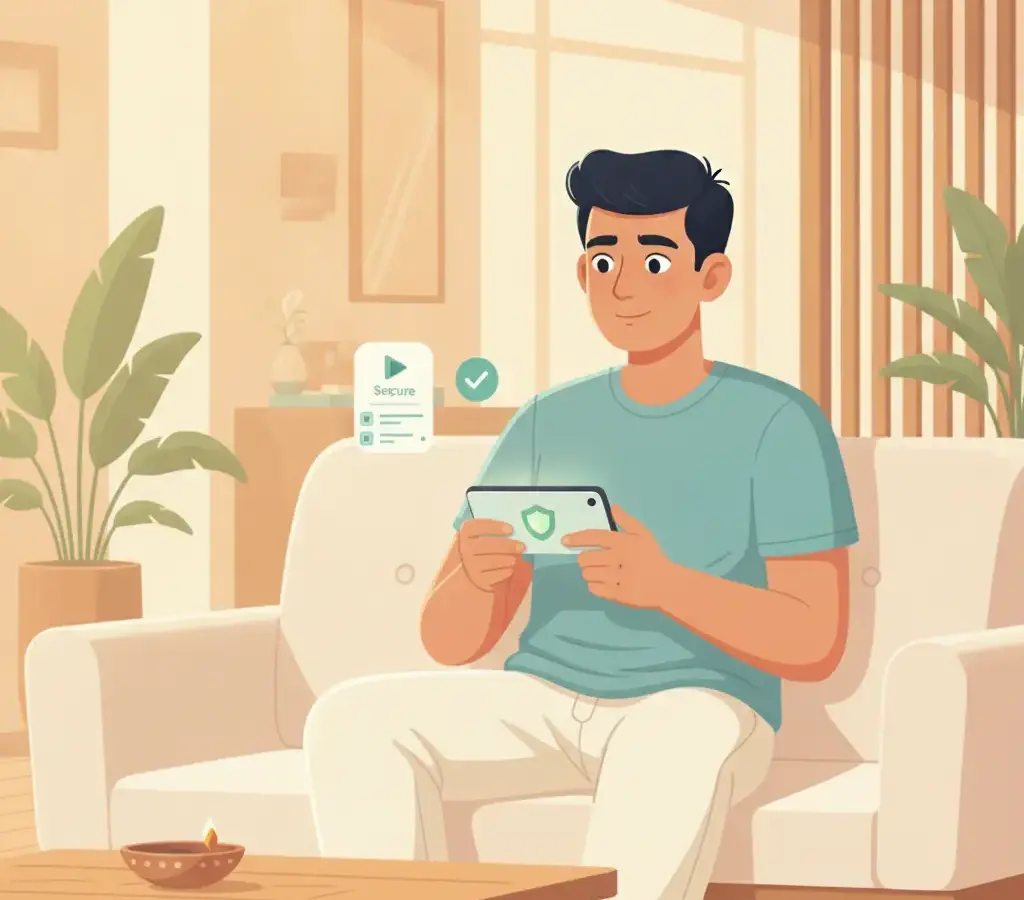
For most Android users who install apps only from the Play Store, keep the OS updated, and practise basic caution, Google Play Protect provides adequate baseline protection. A reputable third-party antivirus adds modest value for higher-risk users — but many free 'security' apps do little and some harm your privacy.
Key Takeaways
- Google Play Protect scans installed apps and is enabled by default on every Play-certified device
- The biggest Android risks are sideloaded APKs and social engineering — not OS-level viruses
- If you choose a third-party app, pick one with independent AV-TEST certification
- No antivirus app protects against phishing or social engineering — those need human vigilance
Why the Question Is More Complicated Than Yes or No
Android runs on well over 90 percent of smartphones in India, which makes it a target — and the antivirus industry is keen to remind you of that. But the threat model for a typical user today looks quite different from the one desktop antivirus was built for, and conflating them leads to bad decisions.
A traditional antivirus app tries to detect and remove malicious software. What it cannot do is stop you from handing your OTP to a fraudster, clicking a phishing link, or granting excessive permissions to a legitimate-looking app. Understanding the limits is as important as understanding the value.
What Android Already Does: Google Play Protect
Every device certified for Google services ships with Google Play Protect on by default. It scans apps from the Play Store before and after installation, periodically rescans for newly discovered threats, and warns you before sideloading an APK. In independent testing by AV-TEST, its detection has historically trailed the best third-party products but catches the large majority of known malware. For a user who installs only from the Play Store and keeps Android updated, it is a solid baseline.
The Real Android Threats in India
Malicious or Deceptive Play Store Apps
Despite vetting, harmful apps appear in the Play Store — especially loan apps and utilities. CERT-In has issued advisories about fraudulent loan apps that harvest contacts and photos. Play Protect catches many; aggressive third-party scanners sometimes catch newer samples faster.
Sideloaded APKs
Installing an APK from outside the Play Store is how most serious Android malware reaches Indian devices: a WhatsApp forward claiming to be a government scheme app, a ‘free premium’ version, a fake banking app sent by SMS.
CERT-In and state cyber-police regularly warn against installing APKs received via WhatsApp, Telegram, or SMS — even from someone you trust, since their account may be compromised. Install apps only from the official Play Store or your bank’s official website.
Social Engineering and Permission Abuse
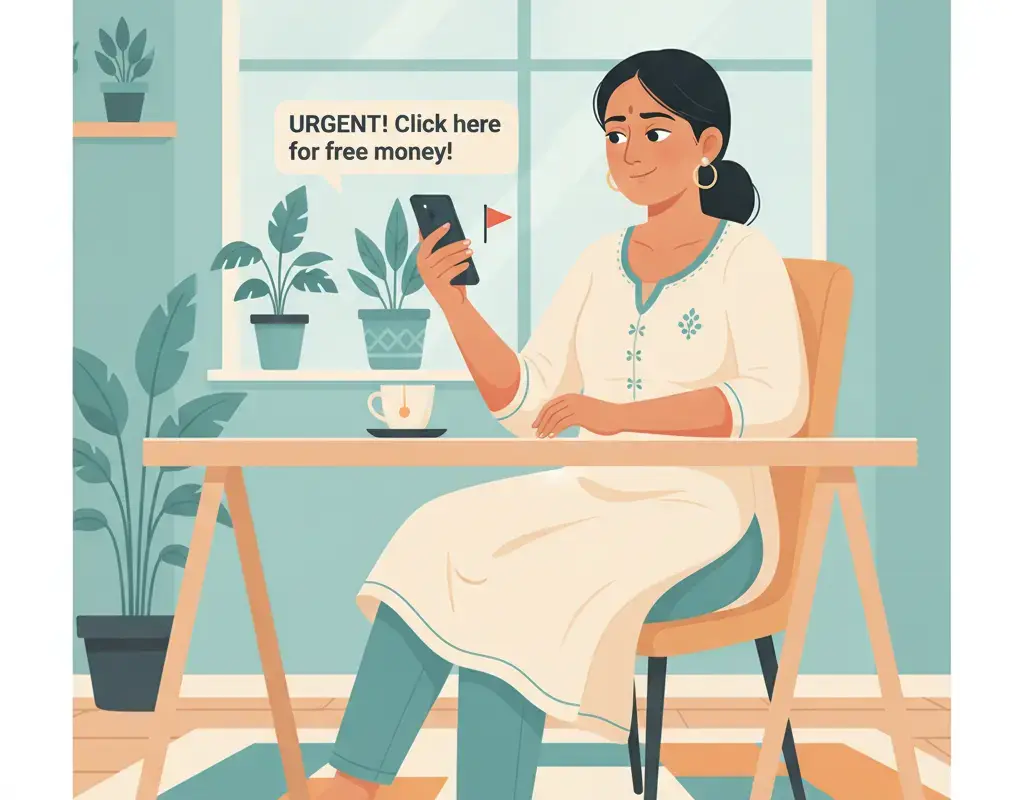
The most successful attacks involve no malware at all. A fraudster posing as bank support asks you to install a screen-sharing app (AnyDesk, TeamViewer) and watches as you log in. No antivirus stops this, because the apps are legitimate. This is the vector behind most frauds reported to 1930.
When a Third-Party Antivirus Is Worth It
You benefit if you regularly sideload APKs, share your device with less cautious family members, do high-value transactions and want layered protection, or are a journalist or business owner who might be targeted.
Check AV-TEST’s Android rankings before installing anything. They test independently and publish detection rates, performance impact, and false positives. Pick a product that scores well on all three.
The Problem With Many Free Antivirus Apps
A significant number of free ‘security’ apps provide minimal protection while collecting and monetising your data — contacts, browsing history, location. Some flag legitimate apps as threats to appear effective. If you want a free option backed by genuine testing, consider Malwarebytes or Bitdefender Mobile Security (free tier). Verify the developer name matches the official company before installing.
What Antivirus Cannot Do
It cannot prevent you entering your password on a phishing page, stop a legitimate screen-sharing app being misused, or protect you if you grant SMS access to an app that forwards your OTPs. On that last point: go to Settings > Privacy > Permission Manager > SMS and audit which apps have it. Only your default messaging app and your bank’s official app should be there.
The Practical Recommendation
For most people: keep Play Protect on, keep Android updated, install only from the Play Store, and audit SMS and accessibility permissions regularly — these cost nothing and address most real risks. For an extra layer, install Bitdefender or Malwarebytes and check their AV-TEST scores. And for the social-engineering attacks no antivirus touches, remember 1930 and cybercrime.gov.in — report quickly.
Sources
Vikram Nayak
Vikram Nayak leads cybersecurity coverage at Cyber Kannadigas. He is a certified information-security professional (CompTIA Security+ and CEH) with eight years of experience in security operations and awareness training at IT-services firms in Bengaluru. Vikram translates dense security concepts — phishing kits,… Read full profile →
Frequently Asked Questions
Stay scam-safe: alerts in your inbox
Get new scam alerts, UPI-safety tips, and digital-literacy guides weekly. Free.